From Hamburg to Hong Kong to Frankfurt: How to Choose a Kindergarten When Your Family Moves Often
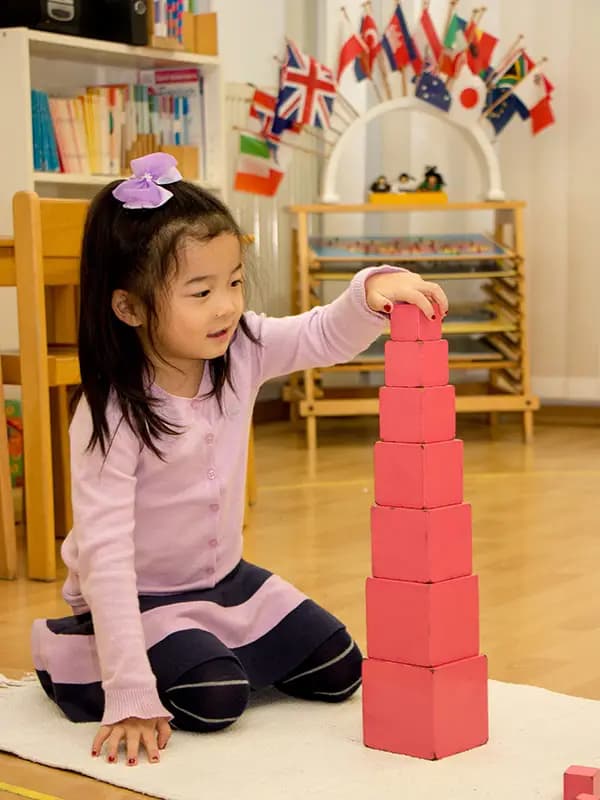
For expat families, moving is part of life. A new city, a new language, a new home—every two or three years, everything can change. While adults may see these transitions as exciting opportunities, children often experience them very differently. One of the biggest questions families face is: how do we choose a kindergarten that gives our child stability, confidence, and continuity, even when we know we may move again soon?
At TIMS – Taunus International Montessori School, we understand this reality well. For more than 50 years, our international English-speaking Montessori community in the Taunus region has supported families from around the world. We know that the best kindergarten is not only a place where children are cared for, but a place where they build the skills to adapt, thrive, and feel at home—wherever life takes them next.
Why kindergarten choice matters so much for mobile families
When a family relocates frequently, kindergarten is more than childcare. It is often the first educational environment a child experiences in a new country. This means the setting has a major influence on how quickly they settle, how secure they feel, and how they approach future transitions.
A thoughtful kindergarten can help a child:
develop confidence in unfamiliar environments
build social skills that transfer across cultures
maintain a sense of routine and predictability
grow language skills without losing curiosity or joy
learn independence and resilience early on
These are not just “nice to have” qualities. They are essential foundations for children who may attend schools in multiple countries before they are old enough to read fluently or fully understand the reasons for each move.
What to look for in a kindergarten if your family moves often
1. An internationally minded environment
The ideal kindergarten for expat families is one where children from different backgrounds feel equally welcome. Look for a community that values cultural diversity, understands international family life, and helps children interact respectfully with peers from many countries.
An internationally minded kindergarten should:
celebrate different languages, traditions, and family structures
communicate clearly with parents from varied backgrounds
prepare children for multicultural classrooms
offer a warm, inclusive environment where every child belongs
When children are surrounded by diversity from the start, future moves can feel less like a shock and more like a familiar part of life.
2. English immersion or a strong English-language foundation
For many mobile families, English is the common language across countries and schools. Choosing a kindergarten with English immersion can make future transitions easier, especially if your child is likely to continue into an international school later.
English immersion offers several advantages:
it supports continuity across countries
it helps children become comfortable using English naturally
it prepares them for international school admissions and classroom routines
it reduces the stress of starting over with a completely new language every time the family moves
Even when children are young, exposure to a consistent language environment gives them a powerful advantage. At TIMS, English is part of daily life, helping children develop language skills through real interaction, play, and learning.
3. Small groups and personal attention
Children who move frequently need more than academic readiness. They need emotional security. Small groups allow educators to truly know each child, notice subtle changes in mood or confidence, and respond with patience and care.
In a small-group setting, children are more likely to:
form secure relationships with teachers
receive support during adjustment periods
gain confidence to participate and ask questions
feel seen as individuals, not just part of a large crowd
This kind of personal attention is especially valuable after a move, when children may need extra reassurance while they adapt to a new environment.
4. A consistent educational philosophy
Families that move often benefit from choosing a kindergarten with a clear and steady philosophy. A child who experiences familiar principles in each new place is more likely to feel grounded. Montessori education is particularly well suited to this need because it emphasizes independence, routine, respect, and hands-on exploration.
A strong educational philosophy helps children understand what to expect, even when the physical surroundings change. In a Montessori setting, children learn through:
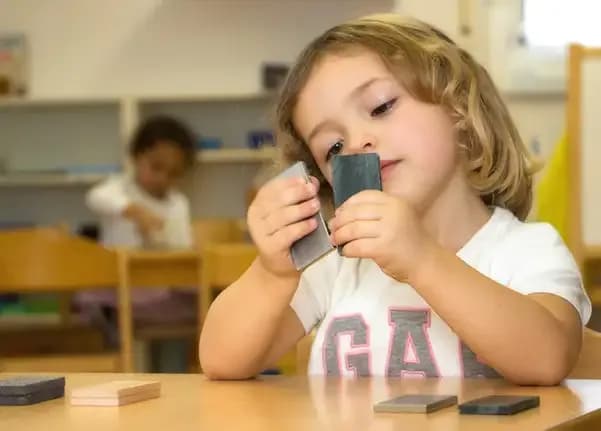
practical, hands-on activities
self-directed exploration
structured freedom
mixed-age social learning
respect for the child’s natural development
These elements create a sense of order and purpose. For a child who may attend different schools over time, that sense of consistency can be deeply reassuring.
5. Preparation for future international schools
If your child is likely to continue in an international education system, kindergarten should support that path. Look for a school that builds the skills and habits needed in international classrooms, such as independence, communication, cooperation, and adaptability.
A good international kindergarten helps children become ready for:
new classmates and teachers
structured routines in unfamiliar schools
learning in English
group work and social integration
future academic expectations
This does not mean pushing children too early. It means giving them the right foundation so they can move forward with confidence.
Questions to ask during kindergarten visits
Choosing a kindergarten when your family may move again soon requires more than checking facilities. Ask questions that reveal how the school supports children emotionally, socially, and academically.
How do you help new children settle in?
How do you support children who are experiencing separation or transition?
What is the daily language environment?
How do you communicate with internationally mobile families?
How do you prepare children for future school transitions?
What does a typical day look like in the classroom?
How do teachers build relationships with children and families?
Pay attention not only to the answers, but also to how the staff speak about children. Do they see each child as capable, unique, and supported? Do they understand the realities of expat family life? A school’s attitude is often as important as its curriculum.
Signs of a kindergarten that will support continuity
As you compare options, look for these signs that a kindergarten is likely to offer the stability your child needs:
clear routines children can quickly learn
warm, experienced educators who know how to support transitions
a welcoming atmosphere for newcomers
strong parent-school communication
a balance of structure and freedom
opportunities for children to work independently and collaboratively
a philosophy that respects each child’s pace of development
These qualities matter because children do not only need an excellent school for today. They need a learning experience that remains meaningful after the next move.
How Montessori helps children who change countries often
Montessori education offers a particularly strong fit for families with international lifestyles. Why? Because it is built on principles that support adaptability and inner confidence.
In a Montessori environment, children learn to:
make choices within a prepared environment
work independently and take responsibility
repeat activities until they feel mastery
move at their own pace
respect others and their surroundings
These experiences are powerful for children who may have to adjust to new homes, new languages, and new social groups. When children know how to engage with learning independently and calmly, they are better equipped to handle change.
At TIMS, we see this every day: children flourish when they are trusted, guided, and given the space to grow. The result is not only school readiness, but life readiness.
Helping your child through the transition
Even with the right kindergarten, a move can be emotional for a child. You can help by creating predictable routines at home, speaking positively about the new school, and allowing your child time to adjust. Bring familiar objects, maintain bedtime rituals, and encourage open conversation about feelings.
It also helps to choose a school that sees transition as a process rather than a one-day event. A supportive kindergarten will partner with you to make arrivals smoother and to help your child feel safe and settled.
A school that travels with your family in spirit
When your family moves often, the right kindergarten becomes more than a local solution. It becomes a steady anchor in a changing world. The ideal school gives your child not just lessons, but confidence; not just care, but continuity; not just a place to stay, but a place to grow.
If you are looking for an international English-speaking Montessori community in the Taunus region, TIMS offers a warm, hands-on environment designed to support children from many backgrounds. With small groups, English immersion, and a strong Montessori approach, we help young learners build the skills they need for international schools and lifelong success.
Wherever your family’s journey begins—and wherever it may lead next—the right kindergarten can make every move feel a little more like coming home.